
Every donation has a value. The hard part is recognizing it quickly enough.
A thrift intake team might process vintage cookware, designer clothing, jewelry, electronics, artwork, collectibles, and dozens of other categories in a single shift.
Two items that look nearly identical can have dramatically different resale values based on brand, model, age, condition, rarity, or even a small identifying mark. And employees rarely have unlimited time to figure it out.
Thrift operations need to keep donations moving, which means teams often make identification, pricing, and routing decisions in seconds. Not after 15 minutes of research.
Category pricing, employee experience, reference guides, and quick online searches can keep production moving, but they can also leave valuable items hiding in plain sight.
The opportunity is to get better information at the moment the decision is being made without extensive manual research.
How High-Value Donations Get Missed in Intake
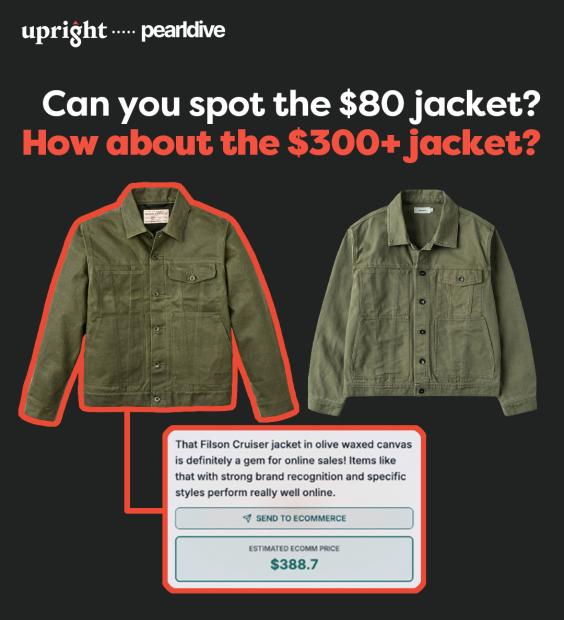
In this environment, high-value items don’t always look valuable.
The challenge is that donation intake teams may need to recognize differences that are obvious to a collector but nearly invisible to everyone else.
That can include:
- Brand and maker: Which names actually command stronger resale prices?
- Model, pattern or variation: Small differences can create huge swings in value.
- Rarity: Is the item common, discontinued, limited-production or genuinely scarce?
- Identifying details: Tags, signatures, hallmarks, model numbers and other markings can change the entire evaluation.
Vintage Pyrex is a good example. A turquoise Butterprint mixing bowl may sell for tens of dollars depending on its size and condition.
But the much rarer pumpkin/orange Butterprint variation was produced for a limited stamp-redemption program, and complete sets have sold for more than $1,000.
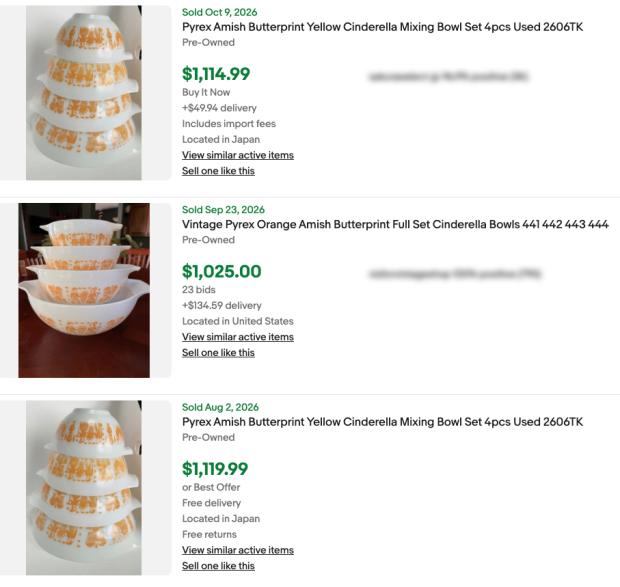
The difference may be obvious to an experienced Pyrex collector. It probably isn’t obvious to every employee processing donations.
How Much Value Can Be Hiding in Thrift Donations?
Occasionally, that gap between perceived value and market value becomes enormous.
Consider a few documented thrift-store finds:
- A Goodwill shopper in Richmond, VA, picked up a $3.99 vase that turned out to be Murano art glass. It later sold for $107,000.
- A man bought an old rolled-up document at a Nashville thrift store for $2.48. It was actually a rare copy of the Declaration of Independence that sold for over $477,000.
- A teenager snagged a basketball jacket from a bin at a Goodwill store for $3.07. He later sold the Wilt Chamberlain Finals warmup jacket for $89,000.
These are extreme examples, not everyday outcomes. But they illustrate the same problem thrift operators face every day:
You can’t recover value you never identify.
And the opportunity isn’t limited to museum-quality artifacts. Designer apparel, fine jewelry, luxury watches, musical instruments, rare books, artwork, collectibles and specialty electronics can all contain value that isn’t obvious at first glance.
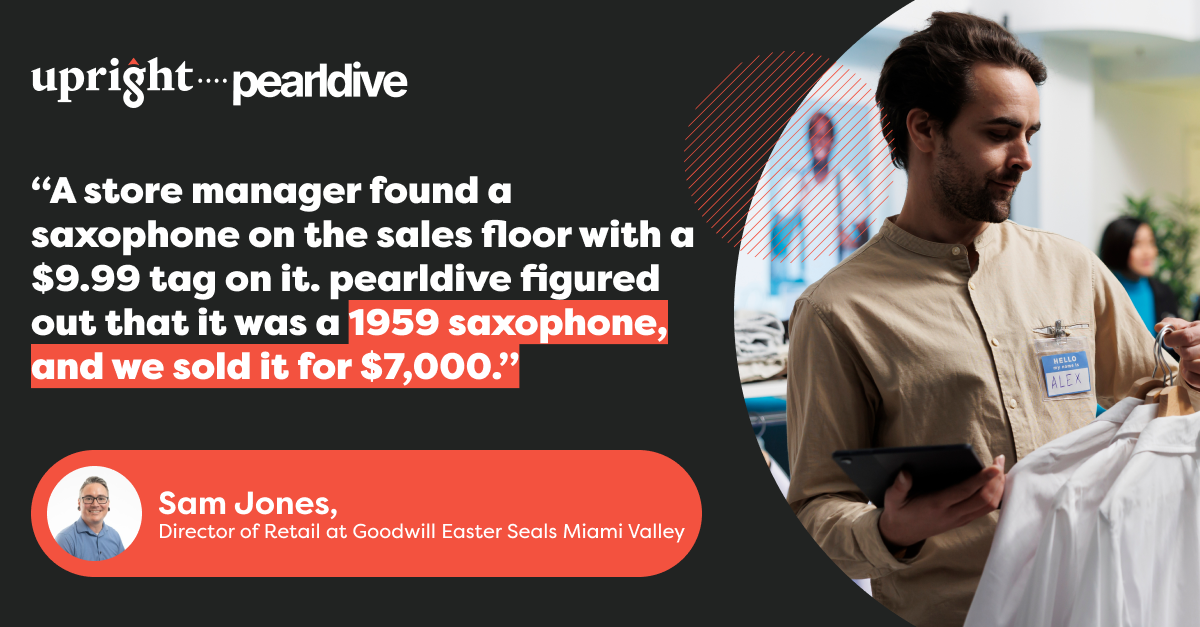
How to Identify Valuable Thrift Items
Finding hidden value starts with two decisions:
- What is this item actually worth?
- Where does it have the best opportunity to sell?
For some donations, the answer is obvious. Others need additional research before they’re priced or routed. A rare collectible might deserve e-commerce exposure, while a premium item with strong local demand could still perform well on the retail floor.
The challenge is making that distinction without slowing down the entire intake process.
Identifying Valuable Items Manually
Traditionally, thrift teams have relied on employee knowledge, training, and reference materials to recognize items that deserve a closer look.
That can mean checking:
- Jewelry, artwork and collectibles: maker’s marks, hallmarks, signatures, edition numbers, condition and completeness
- Furniture: construction methods, joinery, wood type, hardware and condition
- Clothing and accessories: labels, materials, construction details, age, brand and condition
If an employee suspects an item may be valuable, they may research it themselves or send it to a category expert for further evaluation.
That works, but it’s difficult to scale.
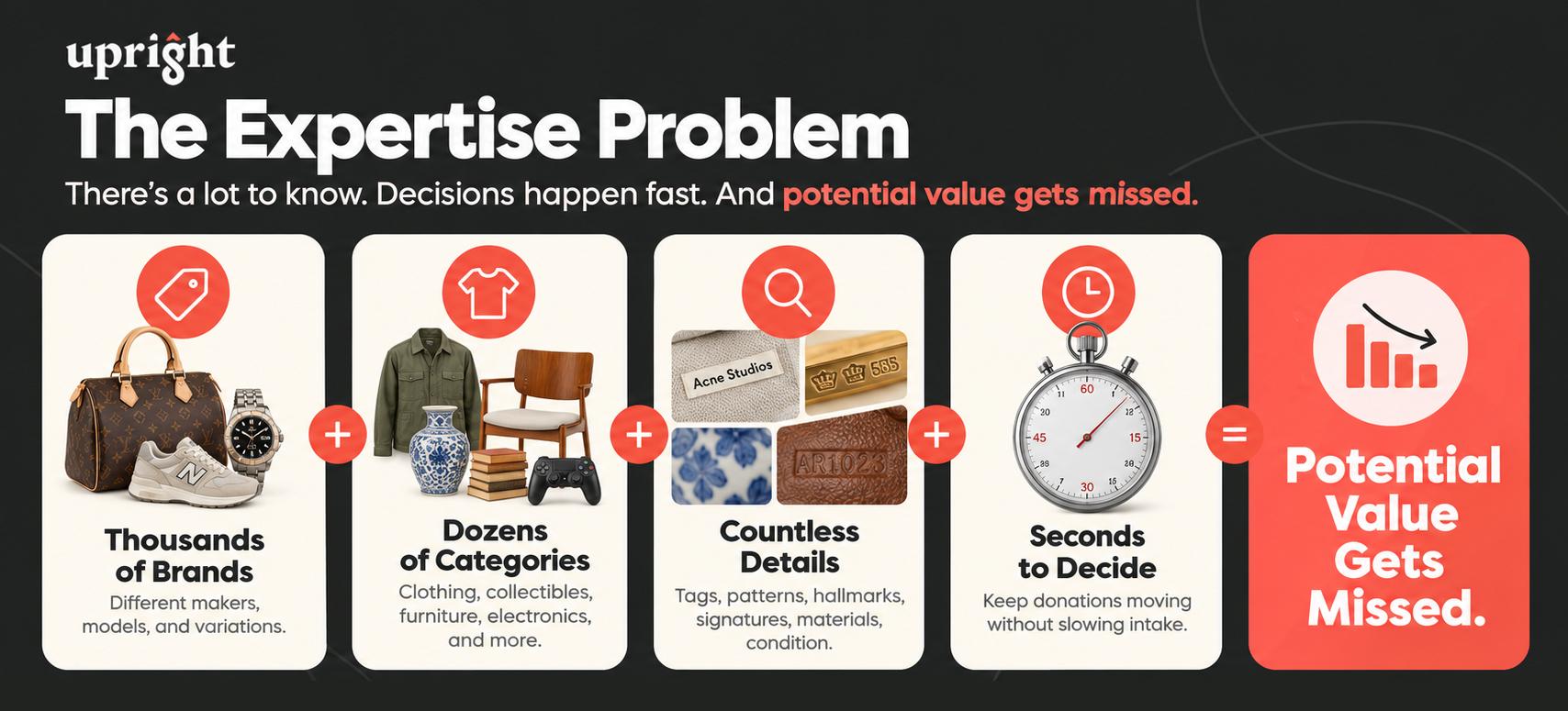
No employee can memorize the identifying details, market values, brands, patterns, models and collector signals across every category arriving at a donation door. And stopping to research every unfamiliar item creates its own bottleneck.
The problem is that the amount of knowledge required is bigger than any one person can realistically carry.
Using AI to Support Item Identification
This is where thrift-specific AI can add another layer of decision support.
pearldive Ama Sorter allows an employee to photograph or describe an item and receive information about its identification, potential value and recommended sales channel. It combines image recognition, text input and current market information with the thrift organization’s own routing rules.
Ama Sorter gives employees more useful information at the moment they need to make the decision. That helps teams reduce their dependence on memory, printed guides and individual category experts while making sorting decisions more consistent across stores and shifts.
For more info on this year’s hottest trends and most valuable categories, check out our free Thrift Trends Guide.
Customer results also show what can happen when better sorting is paired with faster e-commerce workflows.
At Goodwill Easterseals Miami Valley, weekly listing output increased from roughly 1,100–1,200 items to 1,700–1,900, while individual listers moved from about 30 items per day to goals of 80 or more.
At Goodwill Houston, the broader pearldive rollout helped drive a 46% increase in online sales within the first 30 days.
How pearldive Ama Sorter Works at Intake
The workflow is designed to stay simple:
- Photograph or describe the item.
- Ama evaluates the item using thrift-specific AI and market information.
- The employee receives identification, pricing and routing guidance.
- The employee makes the final decision: retail, e-commerce or additional review.
If an item is selected for e-commerce, teams using Upright Lister can move it directly into the online workflow. pearldive Auto-Lister then helps turn product photos into detailed marketplace listings with titles, descriptions, categories, item specifics and other relevant information.
The result is a more connected process:
- Identify
- Evaluate
- Route
- List
Instead of spending more time researching every donation, teams can spend their attention where it has the greatest potential impact.
How Teams Can Better Understand What Donations Are Worth
Training will always matter, but no thrift team can build expert-level knowledge across every brand, category, collectible, material, and product variation that comes through the donation door.
The opportunity is to give employees better information when those decisions are being made.
pearldive Ama Sorter helps teams identify items, evaluate potential value, and determine whether merchandise should stay in retail, move to e-commerce, or receive additional review. When an item is routed online, pearldive Auto-Lister and Upright Lister can help move it from identification to a complete marketplace listing with less manual research and data entry.
Better value recovery starts with recognizing the opportunity earlier and making it easier to act on.
For a broader look at how intake, retail, AI, and e-commerce technology can work together across a thrift operation, download our free white paper, The AI Transformation of Thrift E-Commerce.
Frequently Asked Questions
How do you identify valuable thrift items?
Look for signals such as brand, maker, model, age, materials, condition, rarity, signatures, hallmarks, and other identifying details. Thrift teams can combine employee knowledge with resale research and AI-assisted identification tools to evaluate unfamiliar donations more quickly.
What valuable items are commonly found at thrift stores?
Potentially valuable donations can include designer apparel, fine jewelry, luxury watches, musical instruments, artwork, rare books, vintage toys, collectibles, specialty electronics, and other uncommon items. Value depends on the specific item, condition, rarity, and buyer demand.
How do thrift stores price rare items?
Teams typically identify the item, review its condition, research comparable sales and buyer demand, and determine the best sales channel. AI-assisted tools such as pearldive Ama Sorter can help surface relevant identification and pricing information before an employee makes the final decision.
How can thrift stores know what donated items are worth?
Start by accurately identifying the item, then evaluate factors such as condition, rarity, recent comparable sales, demand, and the costs associated with selling it. The goal is not simply to find the highest possible price, but to determine the item’s best opportunity for value recovery.